

In today’s competitive environment, mastering real estate in 2026 requires a deep grasp of shifting market dynamics, evolving consumer expectations, and disruptive technologies. This year (2026) brings a landscape where stable mortgage rates, varied regional inventories, and demographic changes intersect to create unique opportunities for buyers, sellers, and investors. Navigating real estate in 2026 means leveraging data-driven insights, embracing sustainable design, and capitalizing on innovative financing options. Professionals and enthusiasts alike must remain agile, understanding that remote work patterns influence suburban demand while city centers continue to attract those seeking walkable lifestyles.
As you prepare to make critical decisions—whether you’re purchasing a first home, preparing to list a property, or expanding your investment portfolio—this guide offers a comprehensive look at the forces shaping the housing market. We will explore five key areas: market fundamentals, cutting-edge PropTech and smart home integration, green building practices, the urban–suburban dynamic, and creative financing strategies. Each section will highlight actionable tactics and reference authoritative resources, such as the U.S. Department of Housing and Urban Development and the National Association of Realtors, to help you stay informed. By the end of this article, you’ll have a strategic roadmap for thriving in the landscape of real estate in 2026.
Market Dynamics in 2026
Interest Rate Shifts and Buyer Behavior
Currently, mortgage rates have stabilized after a series of hikes, fostering more balanced negotiations between buyers and sellers. Lenders are offering a variety of loan products, and buyers are increasingly shopping around to lock in favorable terms. Pre-approval remains a critical step; securing financing before house hunting not only demonstrates credibility but also positions you to act quickly when the right property appears. For investors, fixed-rate mortgages offer predictability in debt service, while adjustable-rate options can appeal to those planning short-term holds.
Inventory Levels and Regional Variations
Urban centers continue to face tight inventory, driving prices upward in prime neighborhoods. Conversely, many suburban and rural markets are experiencing supply growth as remote work arrangements persist. Communities within commuting distance of major metropolitan areas are seeing increased listings and buyer interest. This divergence suggests that buyers seeking affordability may find better value outside city limits, while sellers in dense neighborhoods can command premium prices. Tracking local listing portals and working with a neighborhood specialist can uncover off-market opportunities.
Economic Indicators to Watch
Employment figures, consumer confidence indexes, and construction permits offer valuable insights into housing demand. A strong labor market underpins the ability to secure mortgages, while builder sentiment gauges future supply. Keep an eye on regional growth metrics, such as job creation rates and wage trends, which often correlate with property appreciation. By combining public data from sources like the U.S. Census Bureau’s Housing Vacancies and Homeownership reports with local real estate analytics, you can anticipate shifts in buyer sentiment and adapt strategies to meet evolving preferences.
PropTech and Smart Home Integration

Digital Tools and Virtual Experiences
In today’s digital landscape, technology is transforming every stage of the transaction. Virtual tours and 3D walkthroughs allow prospective buyers to explore properties remotely, reducing the need for in-person visits and expanding geographic reach. Real estate platforms now integrate interactive floor plans and augmented reality staging, enabling users to visualize furniture placement and design options. Chatbots and AI-driven chat assistants handle preliminary inquiries, triaging leads and scheduling showings. These digital enhancements streamline workflows and improve engagement metrics for agents and sellers.
Internet of Things and Automation
Smart home integration is no longer a luxury; it is a standard expectation for many buyers. Internet of Things (IoT) devices—ranging from voice-activated lighting to AI-enhanced security cameras—create cohesive ecosystems that optimize convenience and energy efficiency. Thermostats that learn occupancy patterns can reduce utility bills, while sensor networks monitor air quality and humidity levels. Highlighting these features in marketing materials not only differentiates a listing but also appeals to tech-savvy tenants, often commanding higher rents in the rental market.
Data Analytics for Predictive Insights
Big data and predictive algorithms empower stakeholders to forecast neighborhood appreciation and identify emerging markets. PropTech platforms aggregate transaction history, demographic shifts, and zoning changes to generate investment-grade reports. By tapping into analytics dashboards, buyers and investors can assess metrics such as rent-to-price ratios and vacancy trends before committing capital. For real estate professionals, integrating these insights into client presentations demonstrates expertise and fosters trust.
Sustainability & Green Building
Energy-Efficient Design and Materials
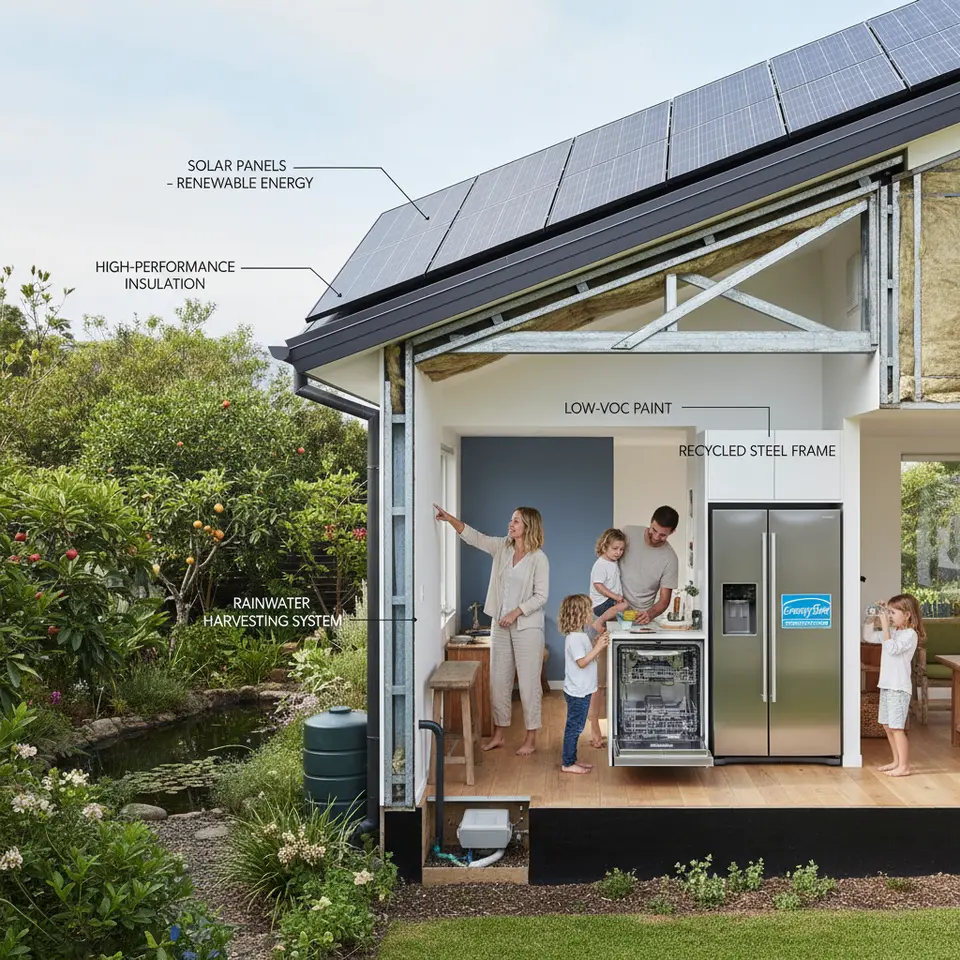
Eco-friendly construction is gaining traction as a core component of real estate in 2026. Buyers and tenants increasingly prioritize properties with solar panels, high-performance insulation, and ENERGY STAR® appliances. Green-certified homes often command price premiums and lower long-term operating costs. For developers, investing in sustainable materials—such as recycled steel framing and low-VOC paints—not only aligns with environmental goals but also appeals to a market segment willing to pay for reduced carbon footprints.
Financial Incentives and Certifications
Both federal and state programs offer tax credits, rebates, and low-interest loans to support energy-efficient retrofits and new builds. The U.S. Green Building Council administers LEED certification, a widely recognized standard that signals environmental stewardship. Properties that achieve certification can leverage these credentials to attract institutional investors and qualify for green financing through specialized mortgage products. Understanding eligibility criteria and application processes enhances the cost-effectiveness of sustainability upgrades.
Long-Term Value for Investors
Green buildings tend to retain value more effectively during market fluctuations. Reduced utility bills and maintenance expenses contribute to stronger net operating incomes, translating into higher capitalization rates for investors. Additionally, sustainable properties are less vulnerable to stricter future regulations as jurisdictions expand environmental mandates. By factoring in these long-term benefits, investors can make more informed decisions and improve portfolio resilience.
Urban Revival vs. Suburban Appeal
Return to City Centers
Despite the rise of remote work, downtown districts are experiencing renewed interest from those seeking cultural amenities, public transit access, and vibrant street life. Mixed-use developments that combine residential units with retail, dining, and coworking spaces are attracting a diverse tenant base. Walkability, connectivity, and proximity to entertainment venues remain powerful selling points for urban properties, contributing to sustained demand in core neighborhoods.
Growth in Suburban and Rural Markets
Suburban communities continue to benefit from families and professionals prioritizing space, schools, and affordability. Commuter towns within a reasonable drive from major cities are thriving, with many buyers willing to trade proximity for lower price points and larger lots. Developers are responding by creating amenity-rich enclaves that feature parks, community centers, and pedestrian-friendly paths. These projects cater to buyers who seek a suburban lifestyle while maintaining access to urban job markets.
Mixed-Use Development Trends
Bridging urban and suburban preferences, mixed-use projects on city fringes offer “live-work-play” environments that blend residential units with office and retail components. Such developments foster a sense of community and reduce commuting times. For sellers and investors, understanding local zoning regulations and demographic profiles is key to identifying areas where mixed-use properties will thrive. Strategic partnerships with planners and architects help realize these multifaceted projects.
Innovative Financing Options
Alternative Mortgage Products
While 30-year fixed-rate mortgages remain a cornerstone of home financing, alternative products are gaining traction. Adjustable-rate mortgages (ARMs) with rate caps, hybrid loans that combine fixed and variable elements, and interest-only options can provide flexibility for buyers with nontraditional timelines. Understanding the nuances of each product—including adjustment periods, cap structures, and prepayment penalties—enables informed borrowing decisions.
Crowdfunding and Real Estate Platforms
Online investment platforms democratize access to property deals by pooling capital from multiple investors. These portals offer opportunities in residential, commercial, and mixed-use assets, often with lower minimum commitments than direct ownership. While crowdfunding can broaden portfolio diversification, participants should evaluate platform track records, fee structures, and asset underwriting standards before committing funds.
Traditional vs. Creative Seller Financing
Seller financing and rent-to-own arrangements are resurfacing in competitive markets, giving buyers alternative paths to homeownership. In a seller-financed deal, the owner extends credit directly, often bypassing strict bank underwriting. Rent-to-own contracts allow tenants to lock in purchase prices and apply a portion of monthly rent toward equity. Both strategies can bridge gaps for buyers facing down payment challenges or qualifying hurdles.
Frequently Asked Questions
What are the key market indicators to monitor in 2026?
Pay attention to employment figures, mortgage rate trends, construction permits, and consumer confidence indexes. These indicators collectively signal housing demand and potential price movements.
How can I integrate PropTech into my real estate strategy?
Start by adopting virtual tour software and AI-driven lead management tools. Gradually incorporate IoT devices for smart home features and utilize data analytics platforms to forecast neighborhood performance.
What benefits do green-certified properties offer investors?
Green-certified buildings often yield higher resale values, lower operating costs, and better resilience against regulatory changes. They also attract eco-conscious tenants and buyers willing to pay premiums for sustainability.
Conclusion
Navigating real estate in 2026 demands a holistic approach that blends market insight, technological innovation, and strategic financial planning. This year (2026), professionals and consumers alike must pay close attention to stabilized interest rates, regional supply differences, and demographic shifts that shape demand. Embracing PropTech tools and smart home solutions enhances engagement and operational efficiency, while sustainable building practices boost long-term value and appeal to eco-conscious buyers. Understanding the tug-of-war between urban revival and suburban growth enables targeted marketing and development strategies.
Innovative financing—ranging from alternative mortgage products to crowdfunding—provides diverse pathways for acquisition and investment. By staying informed through authoritative sources and adopting best practices, you can confidently navigate complexities, maximize returns, and achieve your real estate goals in today’s dynamic marketplace.