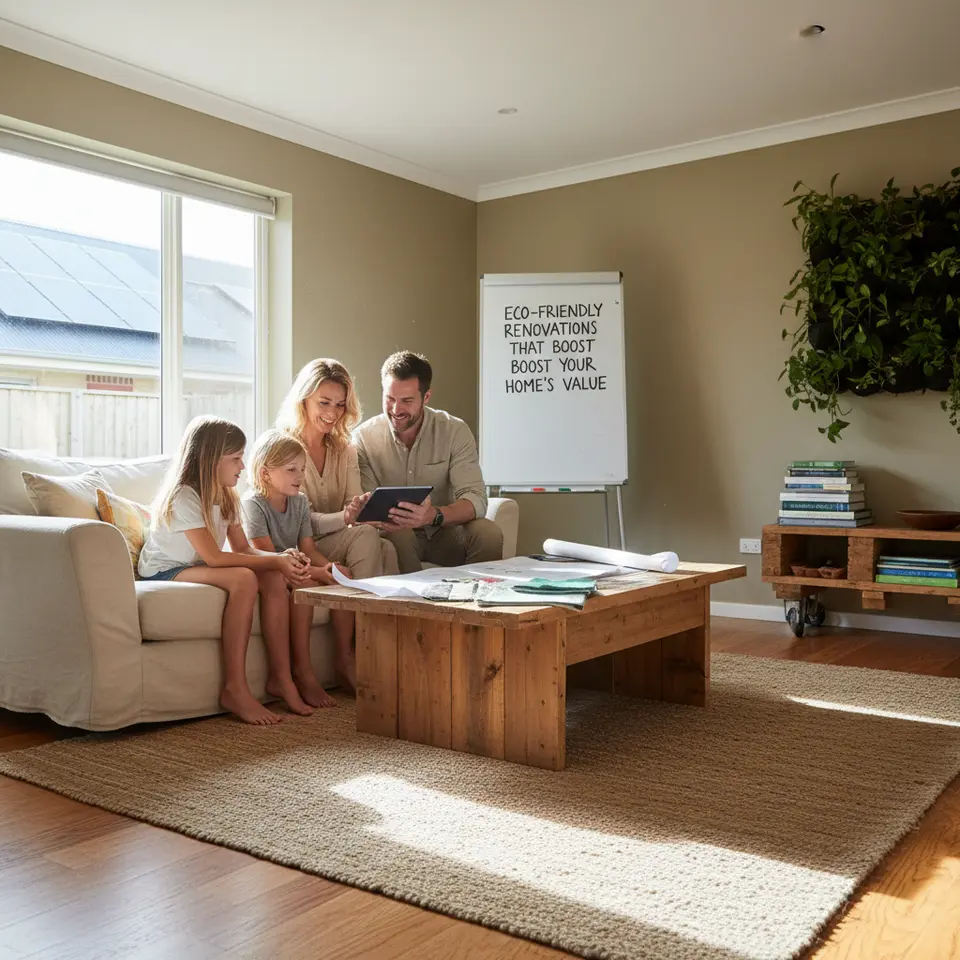
In today’s competitive real estate market, eco-friendly renovations have become a powerful strategy for homeowners looking to boost property value while reducing environmental impact. As energy prices climb and sustainability gains traction, properties featuring green upgrades stand out in listings and attract discerning buyers. Currently, savvy homeowners are exploring upgrades ranging from high-efficiency windows to smart irrigation and solar arrays. By focusing on energy savings, improved indoor air quality, and resource conservation, you not only secure immediate utility savings but also position your home as a premium listing.
This year (2026), new incentives and rebates make sustainable remodeling more affordable than ever. Federal and state programs can offset up to 40% of certain project costs, accelerating payback periods. In today’s digital landscape, prospective buyers often research energy performance ratings and green certifications before scheduling a showing, making eco-friendly renovations a critical differentiator. Whether you plan a full-scale retrofit or incremental updates on a modest budget, this guide will walk you through essential steps, best practices, and strategic solutions. With expert insights and links to authoritative sources—such as the U.S. Department of Energy—you’ll learn how to plan, implement, and maintain upgrades that deliver lasting value and comfort.
Planning and Budgeting for Eco-Friendly Renovations
Successful eco-friendly renovations begin with a comprehensive assessment of your home’s current performance. Start by conducting a professional energy audit or using DIY monitoring tools to identify heat leaks, insulation gaps, and inefficient systems. This baseline data helps you prioritize upgrades by their potential energy savings and return on investment. Homes with poorly sealed windows or outdated HVAC units often show the quickest gains when addressed first.
Establishing Clear Goals
Define objectives based on comfort, cost savings, and environmental impact. Are you aiming to reduce monthly utility bills, achieve a green certification, or lower your carbon footprint? Setting measurable targets—such as cutting energy usage by 20%—provides direction and helps you evaluate contractor proposals more effectively.
Creating a Realistic Budget
Once goals are set, break down expenses for each upgrade: insulation, windows, renewable energy, and smart controls. Factor in labor costs, permits, and potential structural enhancements. Compare quotes from at least three contractors with verified green-building credentials to ensure fair pricing and quality workmanship. Don’t forget to leave a contingency of 10–15% for unexpected issues, such as roof repairs needed before solar installation.
Leveraging Incentives and Rebates
Incentive programs can significantly improve the financial outlook of your project. At the federal level, the Investment Tax Credit for solar systems covers 30% of installation costs. Many states and utilities offer additional rebates for energy-efficient appliances, insulation upgrades, and heat pumps. Consult your state energy office or the Database of State Incentives for Renewables & Efficiency (DSIRE) to find current offerings. Applying these incentives early in the planning process ensures you capture maximum savings.
Renewable Energy Solutions: Solar Panels and Green Roofing
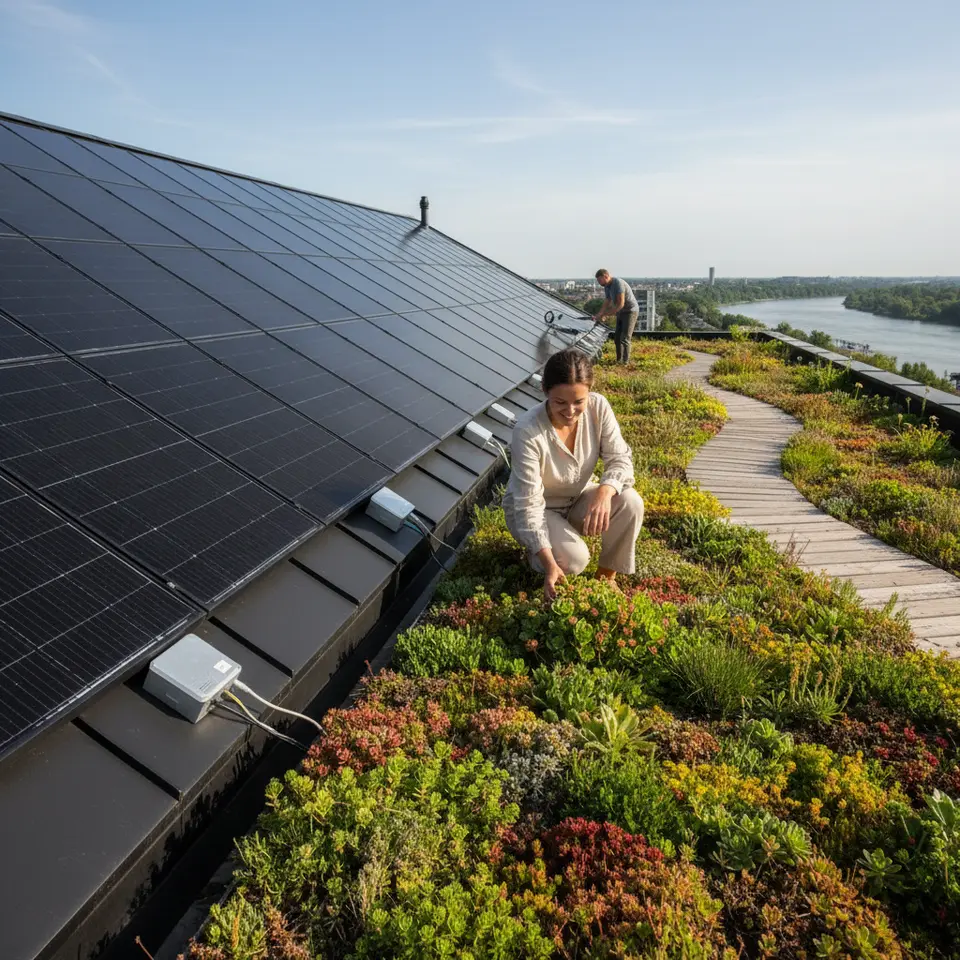
Harnessing renewable energy through solar photovoltaics (PV) and green roofing delivers dual benefits: reduced utility bills and enhanced curb appeal. Depending on roof orientation and local solar potential, a well-designed PV system can supply 60–100% of your household’s electricity. By coupling solar modules with microinverters, each panel performs optimally—even when shaded—boosting overall output.
Maximizing Solar Investment
To determine feasibility, use PVWatts or hire a certified solar installer for a site assessment. A typical residential array pays for itself within 6–9 years via bill credits and net metering. Many buyers equate rooftop solar with energy independence, driving up perceived value. Clearly document system warranties, expected output, and any associated monitoring software to reassure future homeowners.
Green Roofing for Performance and Aesthetics
Complement solar panels with a vegetated roof to improve insulation, manage stormwater, and mitigate urban heat island effects. Planting native, drought-tolerant vegetation over a waterproof membrane can extend roof life by 50–100% and deliver up to 20% in heating and cooling savings. Whether you choose a simple sedum mat or a deeper rooftop garden, mention third-party research—such as findings from EPA’s Green Homes program—to emphasize environmental benefits and market appeal.
Envelope Upgrades: Insulation, Windows, and Doors
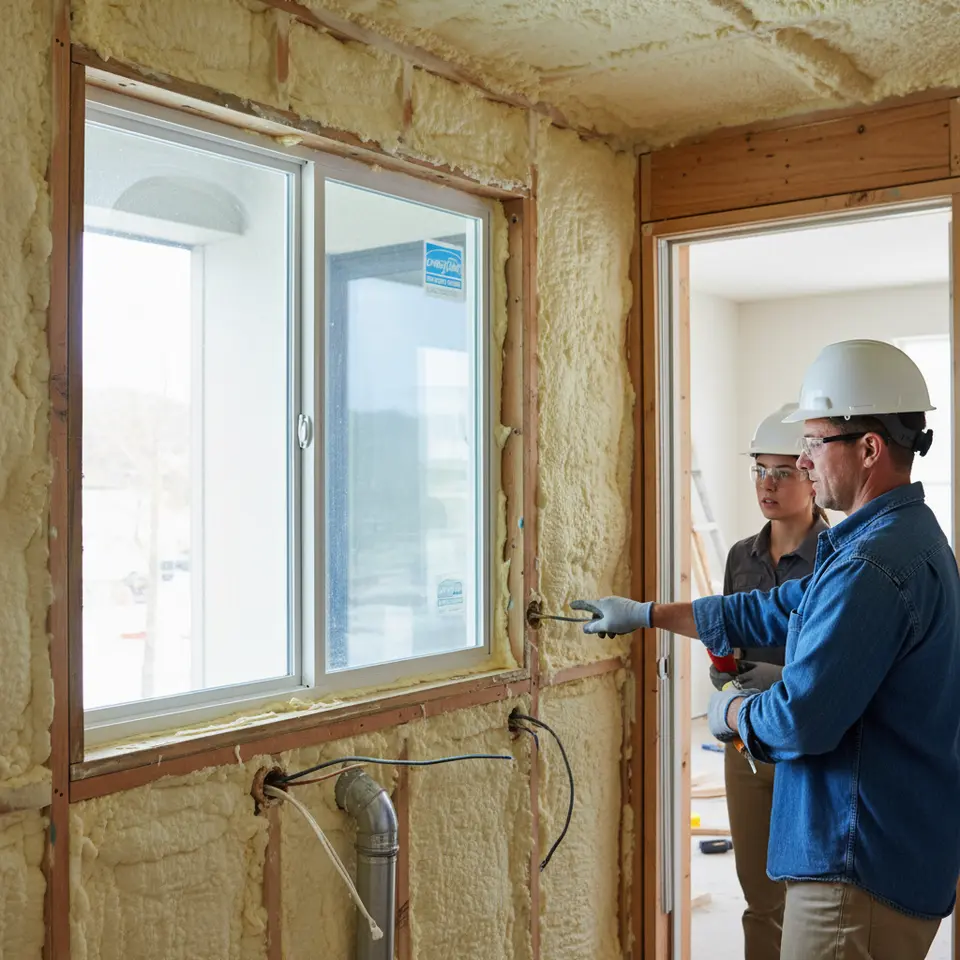
An efficient building envelope is the cornerstone of any eco-friendly renovation. Heat escapes through poorly insulated walls, attics, and floors, while old windows allow drafts and condensation. Upgrading to high-performance insulation—such as spray foam or blown-in cellulose—can increase R-values by up to 40%, translating into significant HVAC savings.
Window and Door Selection
Invest in ENERGY STAR–rated windows with low-emissivity (Low-E) coatings and argon gas fills. These features reduce heat transfer and block UV rays, protecting interior finishes. Choose fiberglass or vinyl frames to avoid warping and minimize maintenance. Proper installation is critical: ensure airtight seals, correct flashing, and professional calibration to prevent warranty voids.
Air Sealing Techniques
Before insulating, seal gaps around wiring, plumbing, and ductwork with expanding foam or caulk. Air infiltration can account for 10–25% of energy loss in a typical home. A tight envelope not only lowers heating and cooling costs but also improves indoor air quality by controlling humidity and preventing mold growth.
Smart Technology and Efficient Systems: Thermostats, Lighting, and Water Harvesting
Integrating smart controls and efficient fixtures is an affordable way to enhance sustainability and modernize your home. Smart thermostats learn occupancy patterns to adjust temperatures automatically, cutting energy use by 10–15%. They also allow remote management via smartphone apps, a feature that resonates strongly with tech-savvy buyers.
LED Lighting Upgrades
Switching to LED bulbs reduces lighting energy consumption by up to 80% and offers lifespans of 15–25 years. Select tunable white or color-changing fixtures to showcase architectural details and allow residents to customize ambiance. For even cleaner installs, convert existing fixtures to integrated LED modules, eliminating the need for frequent bulb changes.
Rainwater Harvesting Systems
Water conservation measures—like rain barrels or underground cisterns—provide non-potable water for irrigation and toilet flushing. These setups can cut municipal water usage by up to 30%. Visible barrels with decorative finishes can serve as landscape focal points, while hidden tanks preserve curb appeal. Document filtration processes and pump capacities to demonstrate reliability to prospective buyers.
Sustainable Materials, Landscaping, and Financing Strategies
Choosing low-impact materials and thoughtful landscaping further elevates the appeal of eco-friendly renovations. Flooring options such as bamboo, cork, or reclaimed hardwood are renewable, low in volatile organic compounds (VOCs), and durable. Select paints and finishes certified by Green Seal or GREENGUARD to reassure buyers about indoor air quality.
Native Landscaping and Xeriscaping
Planting native, drought-tolerant species cuts irrigation needs by 40–50% and supports local wildlife. Combine permeable pavers, rain gardens, and drip irrigation to manage stormwater and create a vibrant, low-maintenance yard. Sustainable hardscaping elements—such as recycled composite decking—underscore your green commitment.
Financing and Incentive Planning
Factor in tax credits, rebates, and financing options when developing your renovation budget. The Federal Investment Tax Credit (ITC) covers 30% of solar costs, while many utilities offer cash-back programs for efficient appliances and insulation. Work with contractors experienced in rebate applications to streamline paperwork. Presenting a clear financial plan, including projected payback timelines, instills confidence in buyers regarding the value of your investments.
Frequently Asked Questions
What are the most cost-effective eco-friendly home upgrades?
Envelope improvements—such as sealing gaps and upgrading insulation and windows—often yield the fastest return on investment. Pair these with a smart thermostat for added savings. These foundational measures reduce energy use significantly before moving on to larger investments like solar panels.
How do I find rebates and incentives for green renovations?
Start by consulting the Database of State Incentives for Renewables & Efficiency (DSIRE) and your state energy office. Federal programs, such as the ITC for solar installations, combine with local utility rebates. Engaging contractors familiar with these applications can simplify the process.
Will eco-friendly renovations really increase my home’s resale value?
Yes. Studies show modern buyers prioritize energy efficiency and sustainability, often willing to pay premiums for homes with green certifications, low utility costs, and healthy indoor environments. Documented warranties, performance data, and maintenance records further bolster buyer confidence.
Conclusion
Eco-friendly renovations represent a strategic approach to increasing home value, reducing operating costs, and contributing to environmental stewardship. By combining thorough planning, targeted envelope improvements, renewable energy systems, smart technology, and sustainable materials, you can achieve significant energy savings and appeal to modern buyers who prioritize health and efficiency. Maintaining records of warranties, energy reports, and maintenance schedules further enhances marketability and underscores reliability.
As you embark on this renovation journey, leverage available incentives, consult reputable contractors, and apply best practices to maximize returns. In today’s market, a home equipped with green features not only commands a price premium but also offers long-term comfort and peace of mind. With thoughtful execution and ongoing maintenance, your eco-friendly renovations will stand as a valuable asset for years to come.